


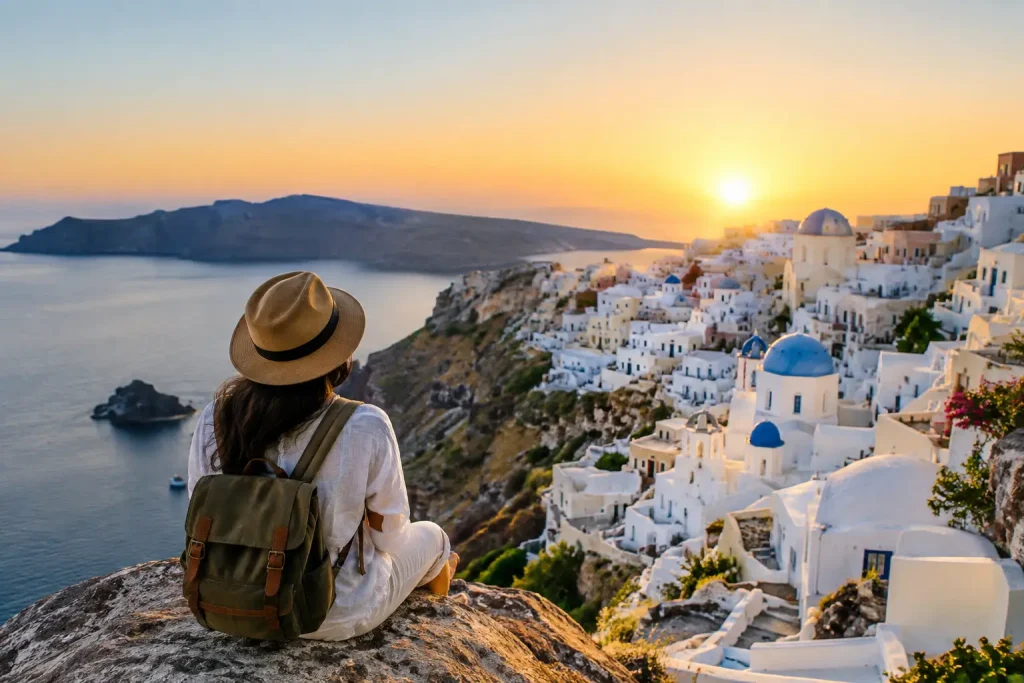
The most memorable travel moments rarely arrive on a checklist. They happen when a chef explains why a family recipe begins with one particular olive oil, when a neighborhood guide points out the doorway most visitors pass, or when a quiet afternoon leaves room for a place to reveal itself. Experiential travel trends reflect a growing desire for exactly this kind of journey: travel that feels personal, grounded, and connected to real life.
For culturally curious travelers, this is not about collecting more activities. It is about choosing experiences that create context – and leaving enough space to absorb them. Across Southern Europe and Morocco, the most meaningful trips are becoming less performative and more attentive: shaped by local voices, thoughtful pacing, and a genuine respect for place.
Experiential Travel Trends Are Moving Beyond Access
For years, experiential travel was often defined by access. A private museum visit, a table at a sought-after restaurant, or a behind-the-scenes tour could certainly make a trip feel special. Those things still have their place. But access alone is no longer the point.
The strongest experiences offer interpretation as well as entry. A visit to an Andalusian winery becomes richer when it includes the story of the land, the people who work it, and the decisions behind each bottle. A walk through Rome becomes more resonant when it follows a historian’s curiosity rather than the same route taken by every large group.
This distinction matters because many travelers have become skilled at finding recommendations online. What is harder to find is the right experience for a particular person, at the right moment in a journey, with the right host. A food-focused couple may want a morning in Palermo’s markets followed by a hands-on cooking session. A family may connect more deeply through a mosaic workshop or a countryside lunch where children are welcomed as participants, not an afterthought.
The trend, then, is not simply toward more exclusive travel. It is toward better considered travel.
The Return of the Human Host
A destination comes alive through the people who know it intimately. That is why local hosts – artisans, historians, growers, cooks, conservationists, and neighborhood guides – are central to the most compelling journeys now being designed.
Travelers increasingly want to hear a place in its own voice. They want to understand why a ceramic tradition endures in Portugal, what daily life looks like in a Moroccan medina, or how a small family producer in Italy approaches a changing climate. These encounters can be modest in scale, but they carry weight because they replace general information with a human point of view.
Not every interaction needs to be arranged, and not every local business wants to become a visitor attraction. Respectful travel requires judgment. The goal is not to turn private life into spectacle. It is to seek out exchanges where hosts are fairly compensated, genuinely willing to share, and able to set the terms of the experience.
That is also why a good itinerary balances planned connection with independent wandering. A trusted guide can offer a doorway into a city. Unstructured time lets travelers follow their own instincts once they are inside.
Food Is Becoming a Language, Not a Trophy
Food remains one of travel’s clearest routes to culture, but the emphasis is changing. Rather than chasing a long list of famous reservations, thoughtful travelers are asking better questions: Who grows this? What does this dish say about the region? What should we order if we want to eat as locals do?
In Spain, that might mean understanding the rhythm of a late lunch and the social ritual of sharing small plates. In Morocco, it may mean learning how spice, hospitality, and regional ingredients shape the table. In Italy and Portugal, it can mean looking past the best-known dishes toward the regional traditions that reveal a deeper sense of place.
A celebrated restaurant can be extraordinary. So can a simple lunch in a village where the menu follows the season. The difference is not price or prestige. It is whether the meal belongs naturally in the story of the trip.
Slower Itineraries, Chosen With Intention
One of the most practical experiential travel trends is a rejection of rushed, city-hopping itineraries. Travelers are recognizing that seeing five destinations in ten days can produce more transit than presence.
Slower travel does not mean doing less because there is less to do. It means allowing a destination to unfold. It may mean spending four nights rather than two in one city, adding a rural stay between major stops, or choosing one region in depth instead of crossing an entire country. The reward is often simple: mornings without urgency, time to return to a favorite café, and enough familiarity to notice the small details that make a place feel less foreign.
There are trade-offs. First-time visitors sometimes feel they should see every landmark, especially when a destination has been a long-held dream. A well-designed journey can honor those essential sights while protecting time for discovery. The answer depends on the traveler, the season, and what they hope to feel when they return home.
For a multigenerational family, slower pacing can make the whole trip more enjoyable. For a couple celebrating a milestone, it can create room for spontaneity. For travelers with a strong interest in art, architecture, or food, it offers the luxury of following a thread instead of rushing from one highlight to another.
Responsible Travel Is Becoming More Specific
Many travelers want their choices to have a positive effect, but broad promises of “sustainable travel” are no longer enough. People are looking for practical signs of care: locally owned stays where possible, guides and makers paid fairly, seasonal dining, considered transportation, and experiences that do not overwhelm fragile communities.
Responsible travel is not a purity test. Flying to another country has an impact, and no itinerary is without trade-offs. What matters is making choices with awareness once you arrive. Spending longer in fewer places, traveling outside the busiest periods, supporting independent businesses, and following local guidance can all help direct travel dollars more thoughtfully.
It also means reconsidering what makes an experience valuable. A crowded viewpoint at the busiest hour may offer a photograph, but perhaps not much connection. An early walk with a local naturalist, a lesser-known historic neighborhood, or an overnight stay in a small town may offer something more lasting while distributing visitors more gently.
Personalization Is Replacing the Template
The more travelers seek meaning, the less useful generic itineraries become. Two people can visit the same city and need entirely different trips. One may care most about contemporary design, another about Jewish history, family-run vineyards, coastal landscapes, or places where they can simply sit with a book between explorations.
Personalization is not adding a private guide to a standard route. It begins with listening: how a traveler likes to move through a day, what kind of meals they remember, how much structure feels supportive, and which interests deserve real time rather than a passing mention.
This is particularly valuable when a trip involves several regions, different transportation options, or a mix of cities and countryside. The logistics should support the experience, not compete with it. A thoughtfully timed train, a well-located hotel, and a calm arrival day can be as meaningful as the activities themselves because they create the ease required to be present.
At Espíritu Travel, locally based designers build these details into the larger story of a journey. The aim is not to make every hour busy. It is to make each choice feel considered, personal, and connected to the destination.
What These Trends Ask of Travelers
Experiential travel can become another form of consumption if every encounter is treated as content. The more valuable approach is quieter: arrive curious, be on time, listen well, learn a few words, and let hosts lead with what they want to share.
Leave room for surprise, too. The experience that stays with you may not be the one you planned most carefully. It may be the bookseller who recommends a local poet, the conversation over breakfast, or the walk home after dinner when a city suddenly feels familiar.
Choose a journey that gives those moments somewhere to happen. That is how travel begins to feel less like an escape from the world and more like a way to feel part of it.