


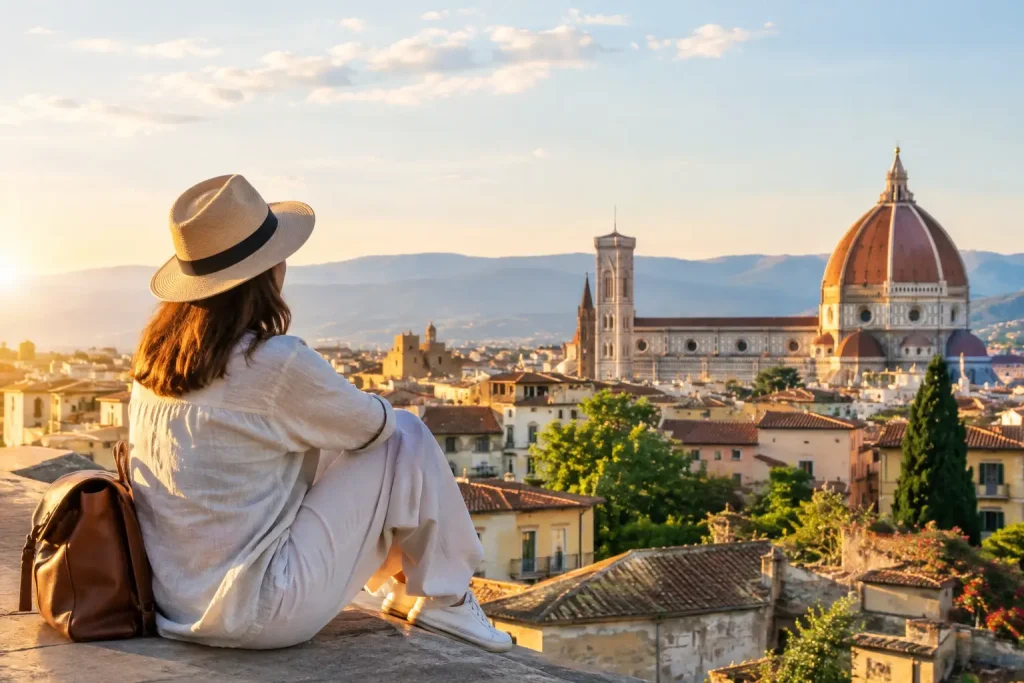
A well-made journey is rarely defined by how many landmarks you checked off. It is the conversation with a ceramicist in her workshop, the table chosen for its regional cooking rather than its view, or the quiet confidence of arriving in a new city already knowing where you belong. Private cultural travel planning creates room for these moments by treating an itinerary not as a schedule, but as a reflection of the person taking it.
For travelers drawn to Spain, Portugal, Italy, or Morocco, the challenge is not finding things to do. The challenge is choosing experiences that feel true to the place, work well together, and leave space for the unexpected. That takes local knowledge, good judgment, and a clear understanding of what matters to you.
What Private Cultural Travel Planning Really Means
Private cultural travel planning is not simply booking private guides and nicer hotels. Those can be valuable parts of a trip, but privacy alone does not create depth. A culturally meaningful journey begins with intention: why this destination, why now, and what kind of connection are you hoping to make?
For one traveler, that might mean tracing family roots through a small town in southern Italy. For another, it may be a food-focused route through northern Portugal, with markets, vineyards, and meals that reveal the region’s history. A family traveling to Morocco may want their children to understand daily life beyond the medina’s most photographed corners, with experiences that are engaging without turning local communities into a spectacle.
The private element makes the journey responsive. You can spend longer where curiosity takes hold, shape days around your natural rhythm, and make decisions that suit your interests rather than a group’s timetable. The cultural element asks something more: that encounters are approached with respect, context, and genuine interest.
Why Personalization Requires More Than Preferences
Most travelers can name a few broad wishes: excellent food, beautiful hotels, local experiences, less time in crowds. The work of thoughtful planning is translating those wishes into choices that make sense on the ground.
A preference for food might lead to a celebrated restaurant reservation, but it could also mean a morning with a market guide who knows the growers, an olive oil tasting with a producer who explains the harvest, or a home-style lunch in a village where regional dishes are still made with care. A love of history may call for an art historian in Florence, a specialist-led walk through Córdoba, or time in a smaller Portuguese city where architecture and trade routes tell a less familiar story.
This is where locally based expertise matters. The best experiences are not always the most visible online, and the right choice depends on timing, season, accessibility, personality, and pace. A thoughtful designer understands that a late dinner in Seville may feel electric for a couple celebrating an anniversary and exhausting for a family arriving after a long travel day. Neither preference is wrong. The itinerary should honor the people living it.
The difference between access and connection
Exclusive access can be wonderful, particularly when it supports a deeper experience: a private visit to a historic home, an after-hours museum viewing, or time with an artisan whose work you sincerely want to understand. Yet exclusivity is not the same as authenticity.
Connection comes from the quality of the encounter. It asks whether an experience respects the host’s time and expertise, whether travelers receive meaningful context, and whether the visit supports rather than disrupts local life. The most memorable moments often feel intimate not because no one else can book them, but because they have been thoughtfully matched to you.
Building a Journey With a Sense of Place
Cultural travel can become tiring when every day is treated as a lesson to complete. A meaningful itinerary needs contrast: active mornings and slow afternoons, iconic places and overlooked neighborhoods, planned experiences and unclaimed time.
In Italy, that could mean pairing a guided visit to a major museum with an unhurried evening in a residential district, where dinner is shaped by what is in season rather than what appears on a tourist checklist. In Spain, it might mean balancing the architectural drama of Barcelona with time in a smaller Catalan town, where a winemaker or chef offers a more personal view of the region.
The same principle applies to multi-country journeys. It can be tempting to add stops simply because they are nearby on a map. But changing hotels every two nights can flatten the experience, especially when train schedules, airport transfers, and packing begin to dictate the trip. Fewer bases, chosen well, often allow for more presence.
A good planner also protects the parts of travel that cannot be arranged. The hour you wander into a bookstore. The extra coffee after lunch. The evening when you decide to return to a neighborhood because it felt good to be there. Structure should create freedom, not eliminate it.
Questions That Lead to Better Cultural Experiences
Before choosing hotels or mapping routes, it helps to begin with a more honest conversation. What do you want this trip to give you that your daily life does not? Do you want celebration, restoration, discovery, reconnection, or a little of each?
Then consider how you like to move through a place. Some people are energized by full days with expert guides and a clear plan. Others prefer one anchor experience each day and ample time to follow their instincts. Some want to learn through art and architecture; others through cooking, music, landscapes, faith traditions, or contemporary design.
Practical needs belong in the conversation, too. Mobility, dietary requirements, sleep schedules, children or teenagers, comfort with driving, and appetite for early starts all influence what will feel pleasurable rather than demanding. Honest details do not limit a trip. They allow it to be designed with care.
The Value of Support While You Travel
Even a beautifully planned journey can meet a surprise. A delayed train, an unexpected closure, a lost bag, or a restaurant that no longer fits the mood can shift a day quickly. Having support in the destination changes the experience of those moments.
This is not about controlling every variable. Travel retains its humanity because things happen. It is about knowing that someone who understands the destination can offer calm, practical options when plans need to change. That reassurance is especially valuable on complex itineraries involving multiple cities, private transfers, timed entries, and experiences that are difficult to recreate at the last minute.
For independent travelers, support also preserves independence. You are still free to travel in your own way, without being absorbed into a group or handed a generic schedule. You simply have an informed team behind the scenes, attentive to the details that let you stay present.
Choosing a Planner Whose Values Match Yours
Not every private trip needs the same level of luxury, and not every cultural experience needs to be private. A public cooking class can be lively and memorable. A simple family-run guesthouse may offer more warmth than a grand hotel. The right balance depends on your budget, preferences, and purpose.
What matters is choosing a travel designer who listens closely and is willing to guide you honestly. If an ambitious route will leave little time to absorb the places you came to see, they should say so. If a popular experience does not fit your interests, they should offer an alternative rather than force it into the plan. Expertise is not just knowing what is available. It is knowing what to leave out.
At Espíritu Travel, private cultural travel planning begins with that kind of listening. The aim is not to make a destination perform for you, but to help you meet it with curiosity, comfort, and respect.
The most lasting journeys do not make you feel as though you have consumed a place. They leave you more attentive to its rhythms, more grateful for the people who shared it with you, and eager to carry that openness into whatever comes next.